I spent 11 of my first 16 years in the Navy at sea, learning, leading, and performing in a demanding but rewarding environment. I went from Division Officer leading a team of 30, to Department Head leading an engineering team of 70, to Executive Officer running the day-to-day operations of a destroyer and her crew of about 350.
Up to that point, almost everything had gone to plan. Then came my greatest career setback: I wasn't selected for command at sea. And that setback wasn't private. Whether you are selected is visible to everyone, in the pins on your uniform or their absence.
It took me five years to get over it. I internalized it far more than I should have. I went on to have a great career, but it wasn't the career I had wanted.
If I'd been selected, I likely would have kept leading the way I always had, which wasn't always the kindest or most empowering way to lead. Not being selected forced a change I wouldn't have made on my own. I made more room for people's autonomy. I listened more than I directed. And I stopped holding people to my idea of perfection and started holding them to "good enough, done well."
While it took me years to get there, I want to help you move through your own version of this faster and more smoothly than I did — whether it's a career-altering setback or the everyday challenge of a hard meeting or a hard relationship.
I put my renewed perspective and skills to work when I took command ashore of NOSC Washington, the largest Navy Operational Support Center in the nation, and one of the most underperforming in the Naval Reserve. Morale was broken, performance was low, and everyone expected more of the same.
I knew something had to change, and it had to start with me. Not a new program or a reorganization plan — how I showed up. The questions I asked instead of the answers I gave. Honesty about what wasn't working, including my own leadership.
Within a year, that team was recognized as the region's #1 large Navy Operational Support Center. Not because I had the answers, but because I learned to lead differently.
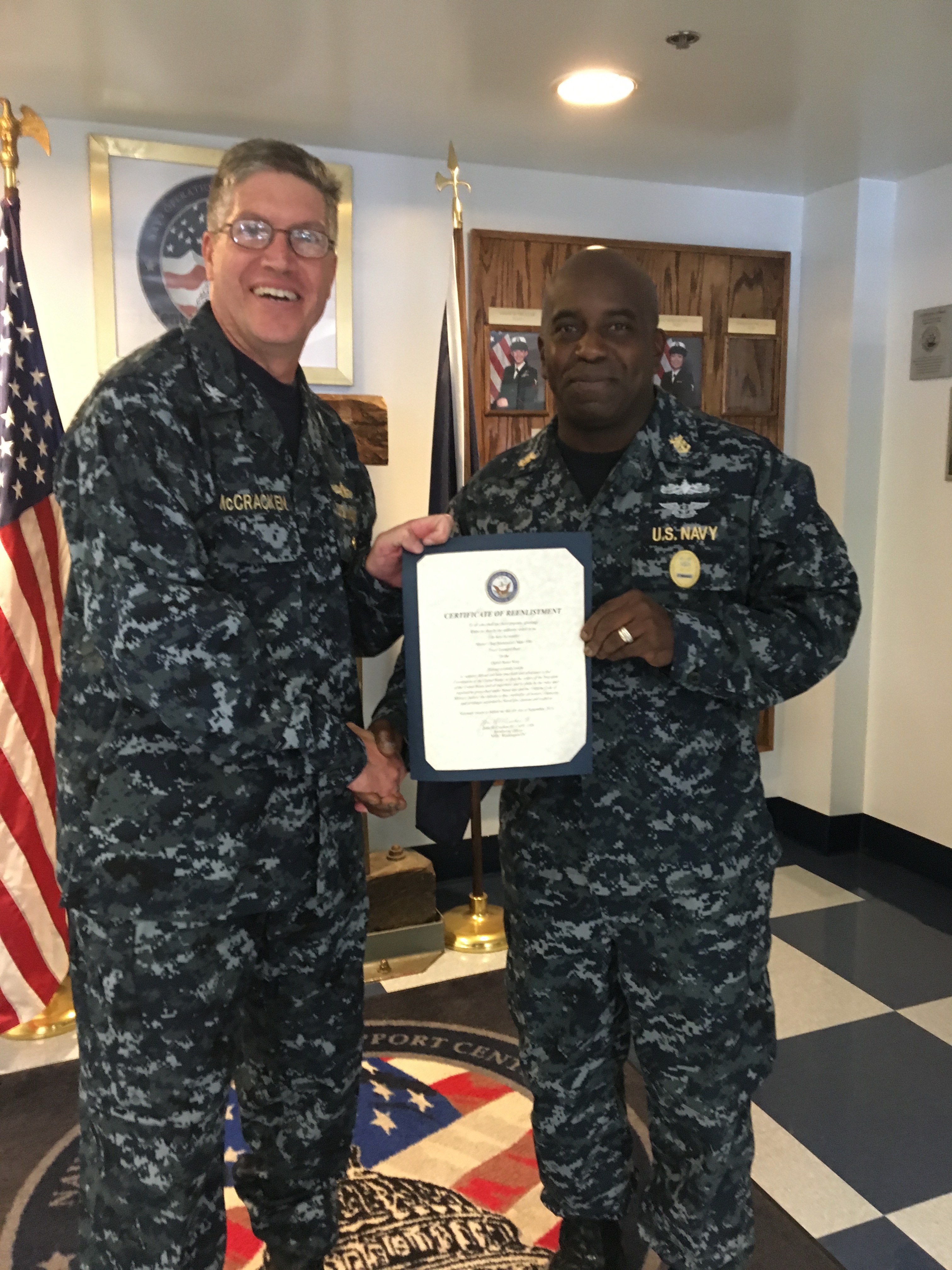
After retiring, I joined a Navy command as a senior civilian, and then the Office of the Assistant to the Secretary of Defense for Public Affairs. I reconciled long-standing manpower problems, built human capital strategy, learned to lead as a civilian, and rebuilt a team the week COVID shut everything down. Along the way, I've spent seven years watching how large organizations develop their leaders, and where they fall short.
Leaving uniform was harder than I expected. Losing my community, my professional reputation, and my sense of who I was out of uniform was disorienting. I found my footing again by reconnecting with the values and practices that made me successful, and having a coach helped. That experience is part of why I coach. I want to help people grow, build resilience, recover quickly from setbacks, and become the person and the leader they know they can be.